Storm Water Infrastructure in Bossier City, LA: Key Steps for Effective Drainage
Storm Water Infrastructure in Bossier City, LA: Key Steps for Effective Drainage
Storm water infrastructure in Bossier City, LA captures and redirects rainfall runoff to prevent flooding, protect foundations, and reduce erosion on commercial and residential properties. Effective systems combine catch basins, underground pipes, and detention ponds to manage heavy rain events common in northwest Louisiana.
What Components Make Up a Storm Water System?
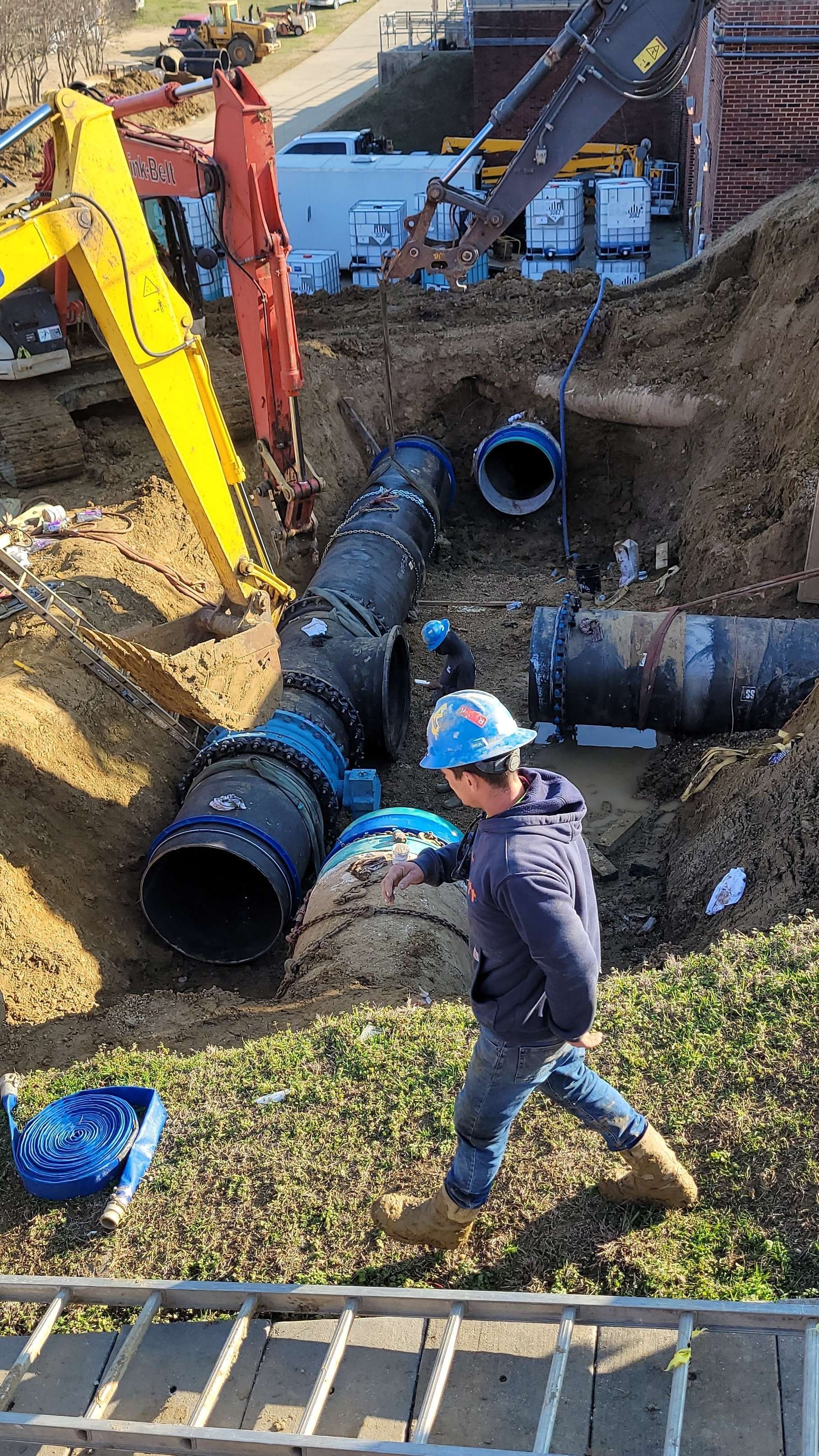
A complete storm water system includes catch basins, inlet grates, underground pipes, manholes, and outfall structures that work together to move water away from buildings and roads.
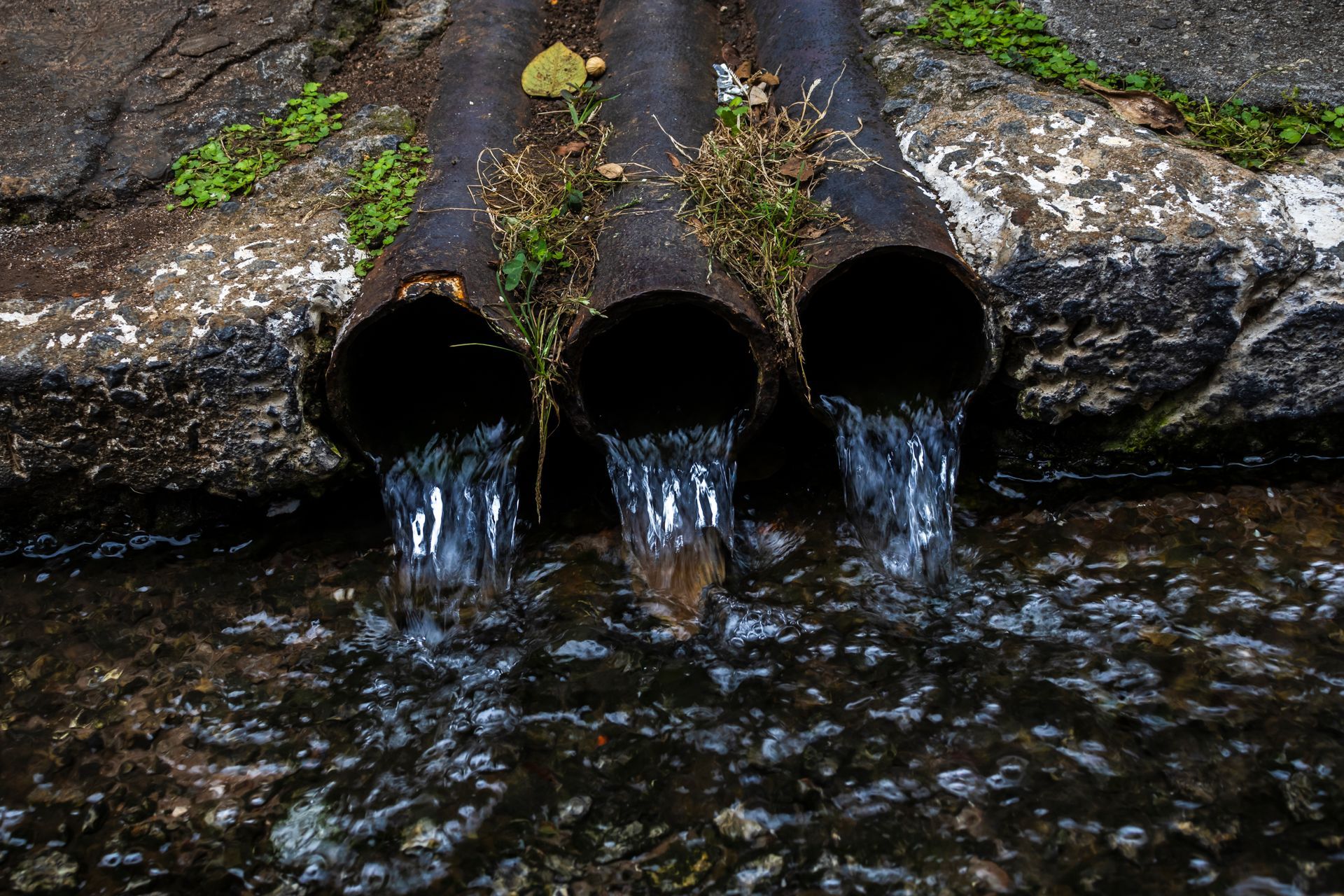
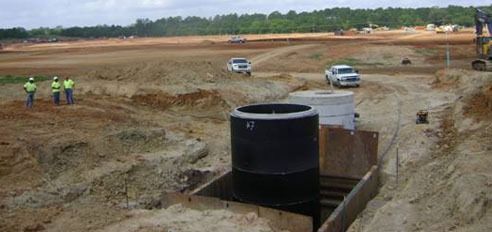
Catch basins collect surface water and trap sediment before it enters the pipe network. Underground pipes carry the flow to detention ponds or municipal storm drains. Manholes provide access points for inspection and maintenance. Outfall structures release treated water into creeks or wetlands at controlled rates.
Each component must size correctly to handle peak flow during intense storms without overflowing or backing up.
How Do Detention Ponds Reduce Flooding Risk?
Detention ponds temporarily store runoff during heavy rain, then release it slowly to prevent downstream flooding and erosion.
These ponds fill quickly when storm drains reach capacity, holding excess water until the main system can handle additional flow. Outlet structures control the release rate, keeping downstream channels from overflowing. Vegetation around the pond edges filters pollutants and stabilizes soil.
Properly designed detention reduces peak discharge by up to fifty percent, protecting neighborhoods and infrastructure from flood damage.
Which Maintenance Tasks Keep Storm Drains Functioning?
Regular cleaning of catch basins, inspection of pipe joints, and removal of debris from inlet grates prevent clogs and ensure storm water flows freely.
Sediment and leaves accumulate in catch basins over time, reducing their capacity and allowing pollutants to enter the system. Cracked or misaligned pipes leak water into surrounding soil, causing sinkholes and foundation problems. Blocked inlet grates force water to pond on streets and parking lots.
Scheduled maintenance extends system life and prevents emergency repairs during storm season. Property managers looking to find underground utility construction help in Bossier City often start with a drainage assessment to identify problem areas before the next heavy rain.
How Does Bossier City's Rainfall Pattern Influence System Design?
Bossier City receives intense spring thunderstorms that can drop several inches of rain in under an hour, requiring storm water systems to handle sudden, high-volume flows.
Design engineers calculate pipe diameter and slope based on historical rainfall data and projected development. Systems must accommodate not only average storms but also ten-year and twenty-five-year events that produce extreme runoff. Undersized pipes cause backups and street flooding.
Local codes mandate minimum pipe sizes and detention volumes to protect public safety and property values.
Effective storm water management protects your investment and keeps your site compliant with local regulations. Wicker Construction delivers reliable storm water infrastructure services tailored to Bossier City's unique drainage challenges, and you can explore storm water infrastructure options in Bossier City to see how proper planning prevents costly flood damage.