Wastewater Infrastructure in Haughton, LA: Avoiding Common Installation Mistakes
Wastewater Infrastructure in Haughton, LA: Avoiding Common Installation Mistakes
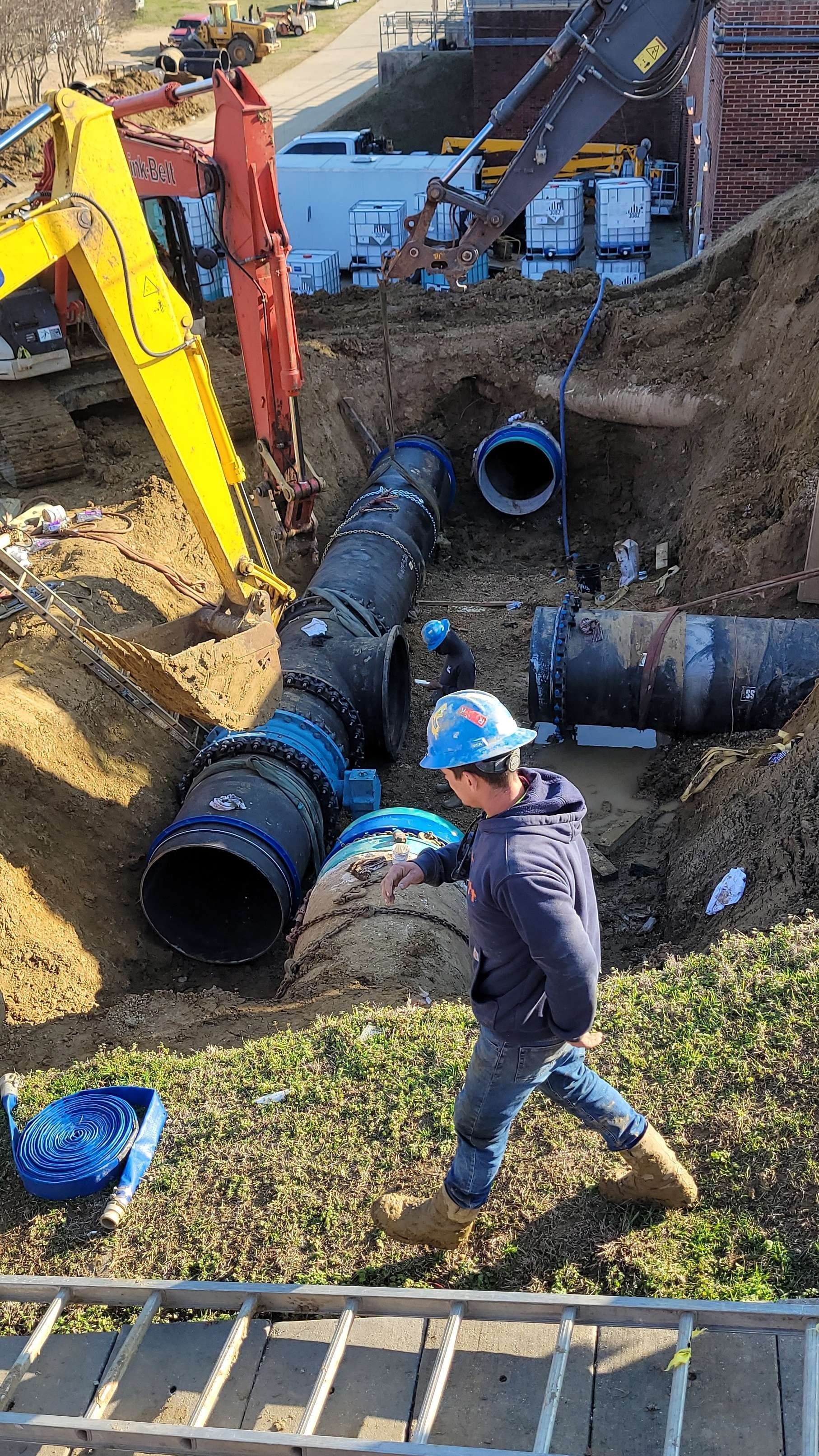
Wastewater infrastructure in Haughton, LA moves sewage safely from homes and businesses to treatment facilities, relying on gravity flow, proper pipe slope, and leak-free joints to prevent backups and contamination. Mistakes during installation can lead to costly repairs, health hazards, and regulatory fines.
How Does Pipe Slope Affect Wastewater Flow?
Wastewater pipes must slope at least one-quarter inch per foot to maintain gravity flow and prevent solids from settling and clogging the line.
Too little slope causes sewage to move slowly, allowing grease and debris to accumulate and form blockages. Excessive slope creates turbulence that separates liquids from solids, leaving sludge behind. Contractors use laser levels to verify slope throughout the installation.
Consistent grade ensures waste moves smoothly to the main sewer or septic system without intervention.
Which Joint Sealing Methods Prevent Leaks?
Rubber gasket joints and solvent-welded connections provide watertight seals that prevent sewage from leaking into soil and groundwater.
Rubber gaskets compress when pipe sections connect, forming a flexible seal that accommodates slight movement and settling. Solvent welding chemically fuses plastic pipes, creating a permanent bond. Both methods require clean, dry surfaces and proper alignment to work correctly.
Failed joints allow sewage to escape and groundwater to infiltrate, overloading treatment plants and contaminating wells. Contractors looking to find wastewater infrastructure help in Haughton often prioritize joint integrity to avoid environmental violations and expensive remediation.
Do Wastewater Lines Require Pressure Testing?
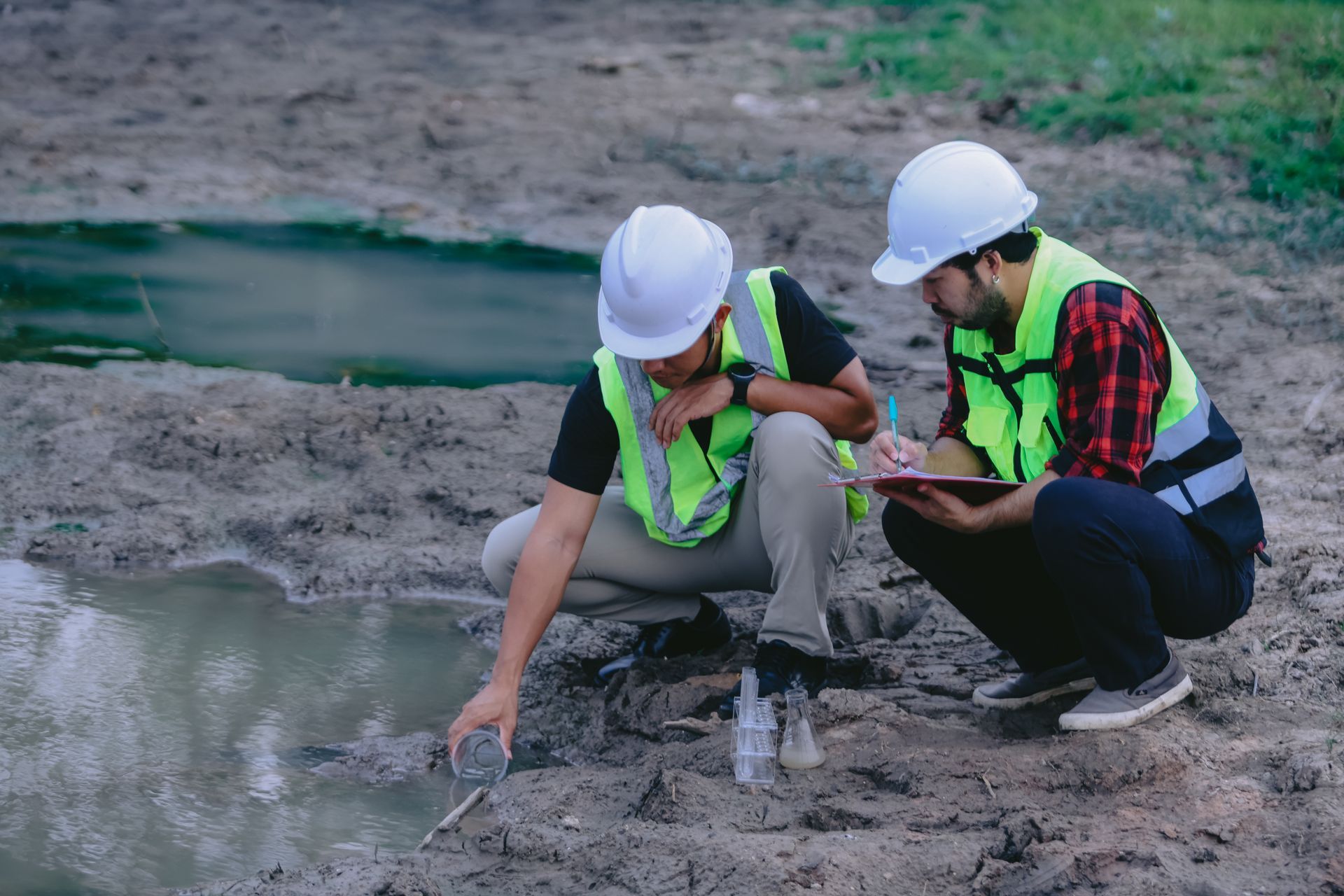
Wastewater lines undergo low-pressure air or water tests to confirm joints are sealed and pipes are free from cracks before backfilling and final inspection.
Technicians seal both ends of the line and introduce air or water at a controlled pressure, then monitor for drops that indicate leaks. Any failure requires excavation and repair before the test repeats. Passing the test proves the system will contain sewage and prevent contamination.
Local health departments require test documentation before issuing occupancy permits.
How Do Haughton's Soil Conditions Impact Pipe Bedding?
Haughton's expansive clay soil shifts with moisture changes, requiring contractors to use crushed stone bedding and proper compaction to support wastewater pipes and prevent joint separation.
Clay expands when wet and contracts when dry, exerting uneven pressure on buried pipes. Stone bedding distributes loads evenly and allows water to drain away from the pipe. Compaction in thin lifts prevents voids that can cause settling and misalignment.
Proper bedding extends pipe life and reduces the risk of costly repairs after construction is complete.
Wastewater infrastructure demands precision and attention to detail to protect public health and the environment. Wicker Construction brings expert wastewater infrastructure services to every project, ensuring your system meets code and performs reliably, and you can explore what wastewater infrastructure in Haughton typically involves to understand the full scope of installation and testing requirements.