Frequently Asked Questions
When is road boring preferred over open-cut trenching?
Road boring is preferred when utility lines must cross active roadways, busy intersections, or paved surfaces where open cutting would disrupt traffic and require costly restoration. Trenchless methods let crews install pipe beneath the surface without breaking pavement, keeping schedules and traffic management costs in check.How does directional boring differ from dry casing bores?
Directional boring steers a drill along a curved path to navigate obstacles or precise target angles underground. Dry casing bores push a steel casing straight through soil in a single pass. The right method depends on crossing length, alignment requirements, and subsurface conditions at the specific project site.Why does Louisiana's climate complicate underground utility work?
Shreveport's humid subtropical climate brings heavy seasonal rainfall that raises groundwater levels significantly, turning routine excavations into dewatering challenges before the first shovel breaks ground. Without proactive groundwater management built into the project plan, wet conditions cause delays and create unsafe working environments below grade.What services does pump station rehabilitation typically include?
Pump station rehabilitation generally covers replacing aging mechanical and electrical components, repairing or relining wet wells, and upgrading controls to restore system performance. For municipal clients, it's often a cost-effective alternative to full station replacement, extending service life while bringing the system up to current standards.Can one contractor handle dewatering and pipeline installation together?
Yes — working with a single contractor for both dewatering and pipeline installation eliminates the coordination gaps that arise when separate specialty subcontractors hand off between phases. It also means the dewatering plan is designed with the downstream utility work in mind, keeping the overall project on a tighter, more predictable schedule.What drives cost differences on underground utility projects?
Key cost drivers include subsurface soil conditions, groundwater depth, crossing length for boring work, pipe diameter and material, site access constraints, and whether the scope involves new installation or rehabilitation of existing infrastructure. Accurate pre-construction site review is the most reliable way to produce an estimate that holds through execution.How do contractors assess subsurface conditions before starting?
Before committing to an installation method, experienced underground utility contractors evaluate soil borings, geotechnical reports, utility as-builts, and site drainage patterns. This upfront review informs dewatering design, boring method selection, and equipment staging — reducing the risk of unexpected conditions causing costly mid-project changes.Is stormwater infrastructure work different from wastewater installation?
Yes — stormwater systems manage surface runoff through inlets, drainage pipes, and detention structures, while wastewater systems convey sewage under pressure or gravity to treatment facilities. Both require underground pipeline installation and may involve pump stations, but material specifications, slope tolerances, and regulatory requirements differ between the two systems.Why does new site development require underground utility planning early?
Underground utility infrastructure — water, wastewater, stormwater, and power conduits — must be installed before surface construction can progress. Planning utility routing, depths, and connections early prevents costly conflicts with building foundations, paving schedules, and permit timelines that become far more expensive to resolve once above-grade work has begun.
OuR services
With over 70 years of experience, Wicker Construction, Inc. has built a solid reputation for excellent workmanship and meeting even the most demanding project schedules. We own a substantial fleet of modern construction equipment and trench safety systems, this allows us to respond quickly to any project. We also have access to a notable list of experienced specialty subcontractors to call upon for assistance.
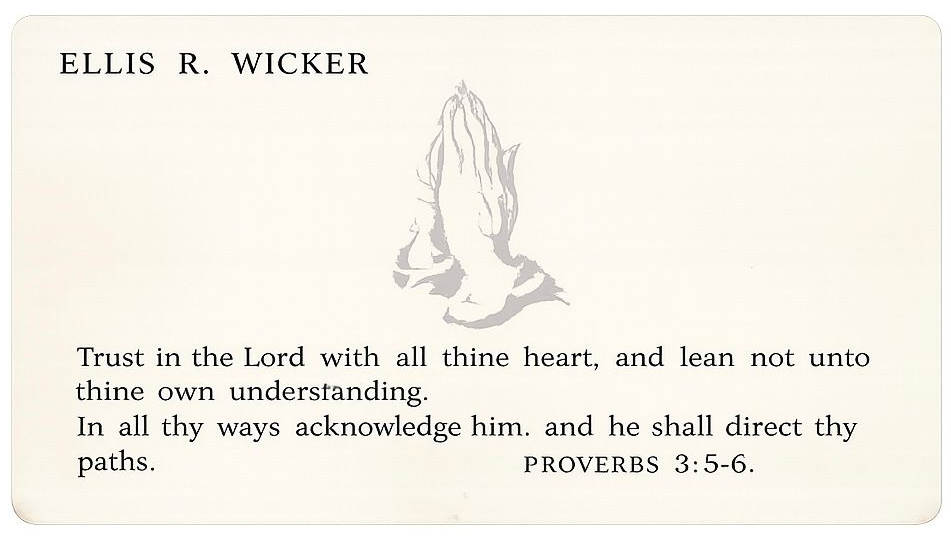
Mr. Ellis Wicker carried this in his wallet everyday as a constant reminder of the values that shaped his life and continue to guide our company.
