Pump Station Construction in Stonewall, LA: Understanding the Build Process
Pump Station Construction in Stonewall, LA: Understanding the Build Process
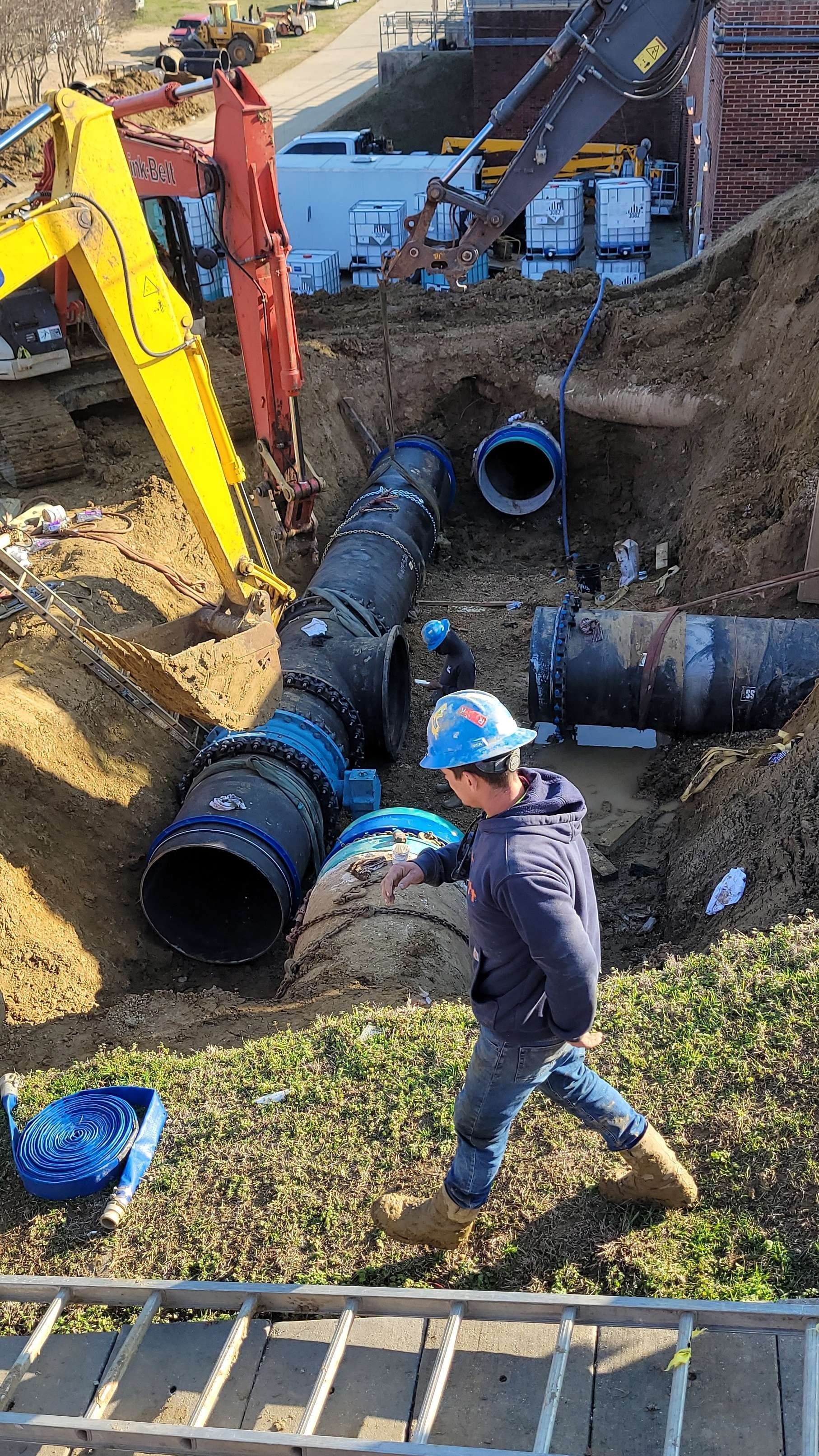
Pump station construction in Stonewall, LA enables wastewater and storm water systems to overcome elevation changes and long distances by using submersible pumps, wet wells, and automated controls to move fluids uphill or across flat terrain. These facilities require careful design, durable materials, and ongoing maintenance to operate reliably.
What Are the Main Components of a Pump Station?
A pump station includes a wet well to collect incoming flow, submersible pumps to lift the fluid, a valve vault to control discharge, and a control panel to automate operation based on water level.
The wet well is a reinforced concrete chamber that stores wastewater or storm water until the pump activates. Submersible pumps sit below the water surface, pushing fluid through discharge pipes to the next segment of the system. Check valves prevent backflow when pumps shut off. Float switches or ultrasonic sensors monitor water level and signal the control panel to start or stop pumps.
Backup power systems ensure operation during outages, preventing overflows and environmental violations.
How Do Engineers Size Pumps for Peak Flow?
Engineers calculate pump capacity based on peak inflow rates, total dynamic head, and the system's ability to handle surges during heavy rain or high usage periods.
Peak flow estimates come from population data, land use, and rainfall intensity. Total dynamic head accounts for elevation change, pipe friction, and pressure requirements at the discharge point. Pumps must handle the maximum expected flow without running continuously or cycling too frequently.
Oversized pumps waste energy and wear out faster, while undersized units cause backups and overflows.
Which Maintenance Tasks Keep Pump Stations Running?
Routine maintenance includes inspecting pumps for wear, cleaning wet wells to remove debris, testing float switches and alarms, and verifying backup power systems activate correctly.
Pump impellers can clog with rags, wipes, and other debris, reducing flow and increasing energy use. Wet wells accumulate sediment and grease that must be removed to prevent odors and corrosion. Float switches can stick or fail, causing pumps to run dry or overflow the wet well. Backup generators need regular testing to ensure they start and run under load.
Scheduled maintenance prevents emergency failures and extends equipment life. Property managers looking to find pump station construction help in Stonewall often start with a site assessment to determine the best location and pump configuration for their system.
How Does Stonewall's Terrain Influence Pump Station Placement?
Stonewall's rolling terrain and scattered development require pump stations at low points where gravity flow ends, lifting wastewater to higher elevations or distant treatment plants.
Gravity systems work well on slopes but cannot move sewage uphill or across long flat stretches. Pump stations bridge these gaps, allowing development in areas that would otherwise lack sewer service. Placement depends on topography, soil conditions, and access for maintenance vehicles.
Proper siting minimizes energy costs and simplifies future expansion as the service area grows.
Pump stations are critical infrastructure that keep wastewater and storm water systems functioning in challenging terrain. Wicker Construction specializes in pump station construction and rehabilitation, delivering reliable solutions for Stonewall's unique topography, and you can explore pump station construction options in Stonewall to see how modern design and automation improve performance and reduce operating costs.