Wellpoint Dewatering in Jackson, MS: Keeping Your Construction Site Dry
Wellpoint Dewatering in Jackson, MS: Keeping Your Construction Site Dry
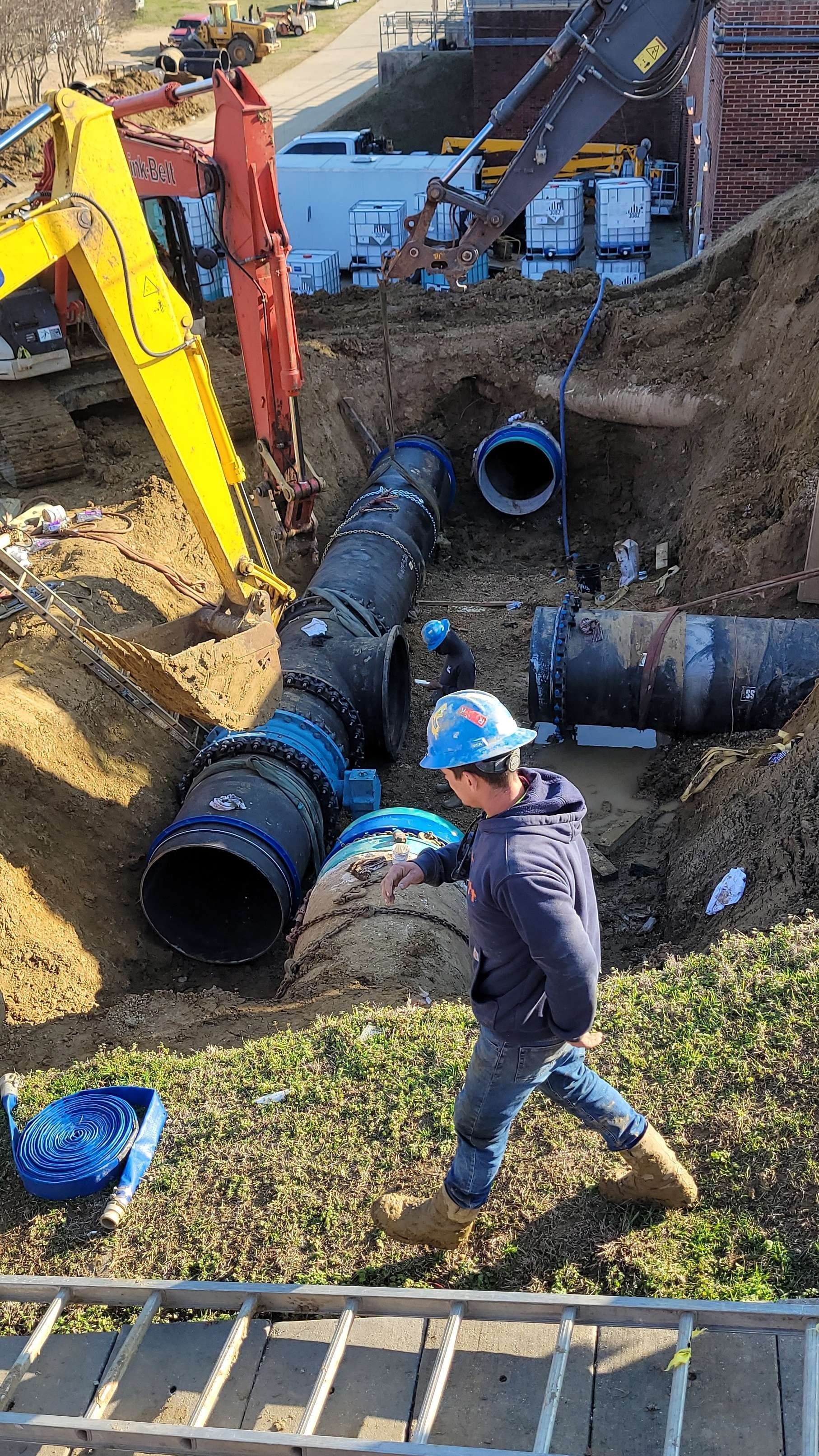
Wellpoint dewatering in Jackson, MS uses a network of small-diameter wells and vacuum pumps to lower the water table around excavations, preventing flooding and soil instability during foundation work, utility installation, and underground construction. This method keeps trenches dry and safe for workers and equipment.
How Does a Wellpoint System Work?
A wellpoint system consists of closely spaced perforated pipes driven into the ground around the excavation, connected by a header pipe to a vacuum pump that draws water from the soil.
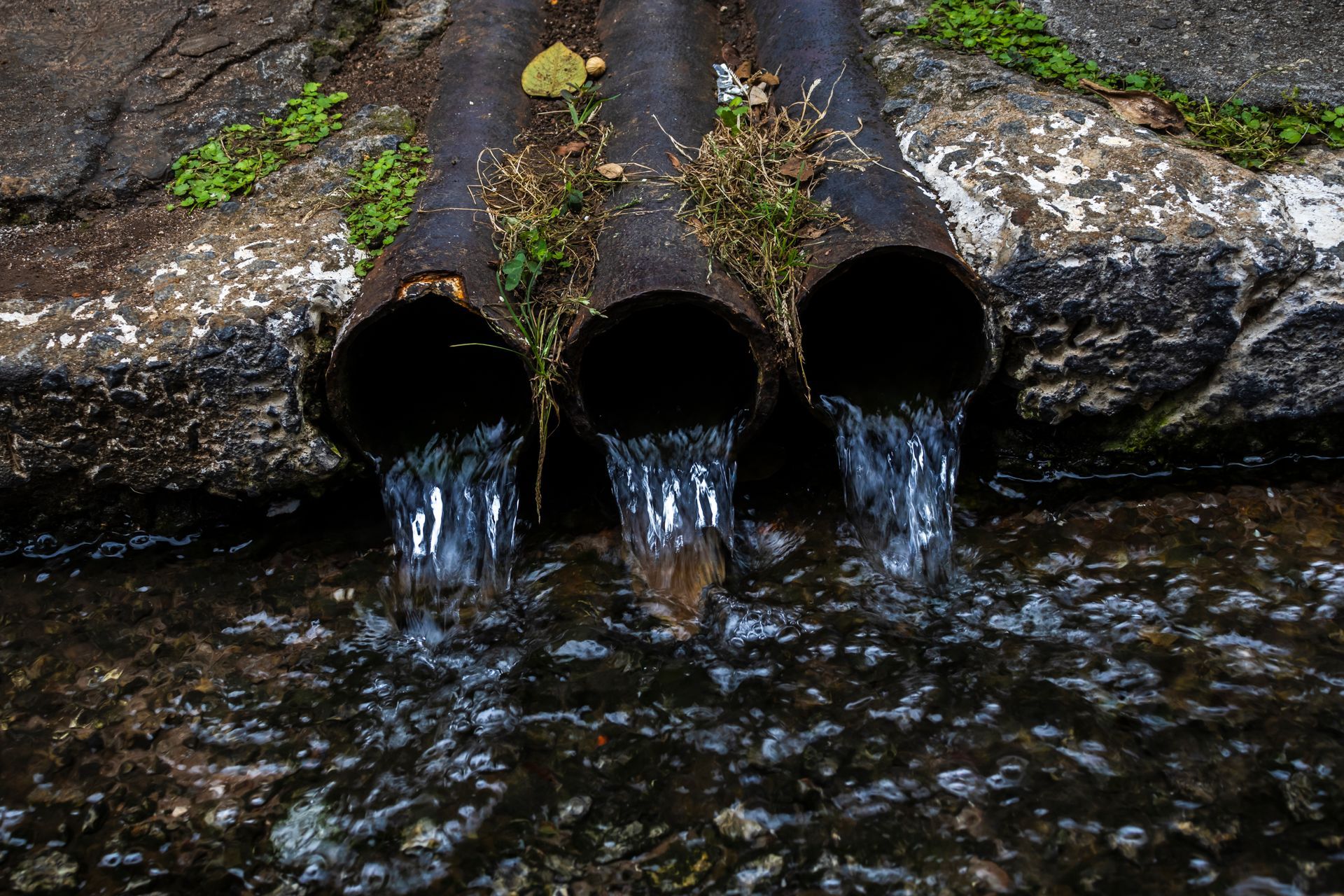
Each wellpoint extends below the planned excavation depth, creating a cone of depression that lowers the water table within the work area. The vacuum pump pulls water through the wellpoints and discharges it away from the site. Spacing and depth depend on soil permeability and the amount of water present.
The system runs continuously until excavation and construction are complete, maintaining dry conditions throughout the project.
When Should You Use Wellpoint Dewatering Instead of Sumps?
Wellpoint dewatering suits projects in fine sand or silt where sumps would cause soil erosion and trench collapse, while sumps work better in coarse gravel or rock with low water flow.
Sumps collect water at the bottom of the excavation, but pumping from a sump can wash away fine particles and undermine trench walls. Wellpoints lower the water table before excavation begins, stabilizing the soil and preventing erosion. This method also keeps the work area cleaner and safer.
Soil testing and water table measurements help determine the best dewatering approach for your site.
Which Projects Benefit Most from Dewatering?
Foundation excavations, deep utility trenches, underground tank installations, and any project below the water table require dewatering to ensure worker safety and structural integrity.
Concrete cannot cure properly when submerged, and wet soil lacks the bearing capacity to support foundations. Dewatering allows crews to dig to the required depth, place reinforcement, and pour concrete in dry conditions. Utility contractors use dewatering to install water and sewer lines without fighting constant inflow.
Proper dewatering prevents delays, reduces safety risks, and improves the quality of finished work. Contractors looking to find wellpoint dewatering help in Jackson often need a system designed and installed quickly to keep their project on schedule.
How Do Jackson's Soil Conditions Affect Dewatering Design?
Jackson's mix of clay, silt, and sandy loam requires careful wellpoint spacing and pump capacity to achieve effective drawdown without causing excessive settlement or soil movement.
Clay drains slowly, requiring longer pumping times and closer wellpoint spacing to lower the water table. Sandy soils drain quickly but can erode if pumping rates are too high. Engineers analyze soil borings and permeability tests to design a system that balances drawdown speed with soil stability.
Monitoring wells track water levels during operation, allowing adjustments to prevent problems.
Effective dewatering keeps your construction site safe, dry, and productive from start to finish. Wicker Construction provides expert wellpoint dewatering services tailored to Jackson's soil and groundwater conditions, and you can explore the right wellpoint dewatering team in Jackson to ensure your excavation stays dry and your project stays on track.